Welcome!
PHYSDepot is a repository for physics resources helpful to physicists at all stages — from beginners to professional researchers. Our goal is to curate tools, packages, simulations, and educational materials that lower the barrier of entry to physics research and empower independent learners, students, and scientists alike.
Whether you are just beginning your journey or working on advanced research, PHYSDepot is built to support your work. This platform was inspired by the struggle many scientists face when access to mentorship and educational opportunities are limited. We aim to connect, unify, and enable exploration through science and learning.
⇨ To browse resources by discipline, see the "Subfields" tab in the navigation bar! ⇦
We need your help! To recommend a resource (datasets, packages, software, learning tools, online interactives, simulations, and more), please see our
PHYSDepot's powered by a network of involvement across institutions*






Featured
Featured in Astrophysics 🪐
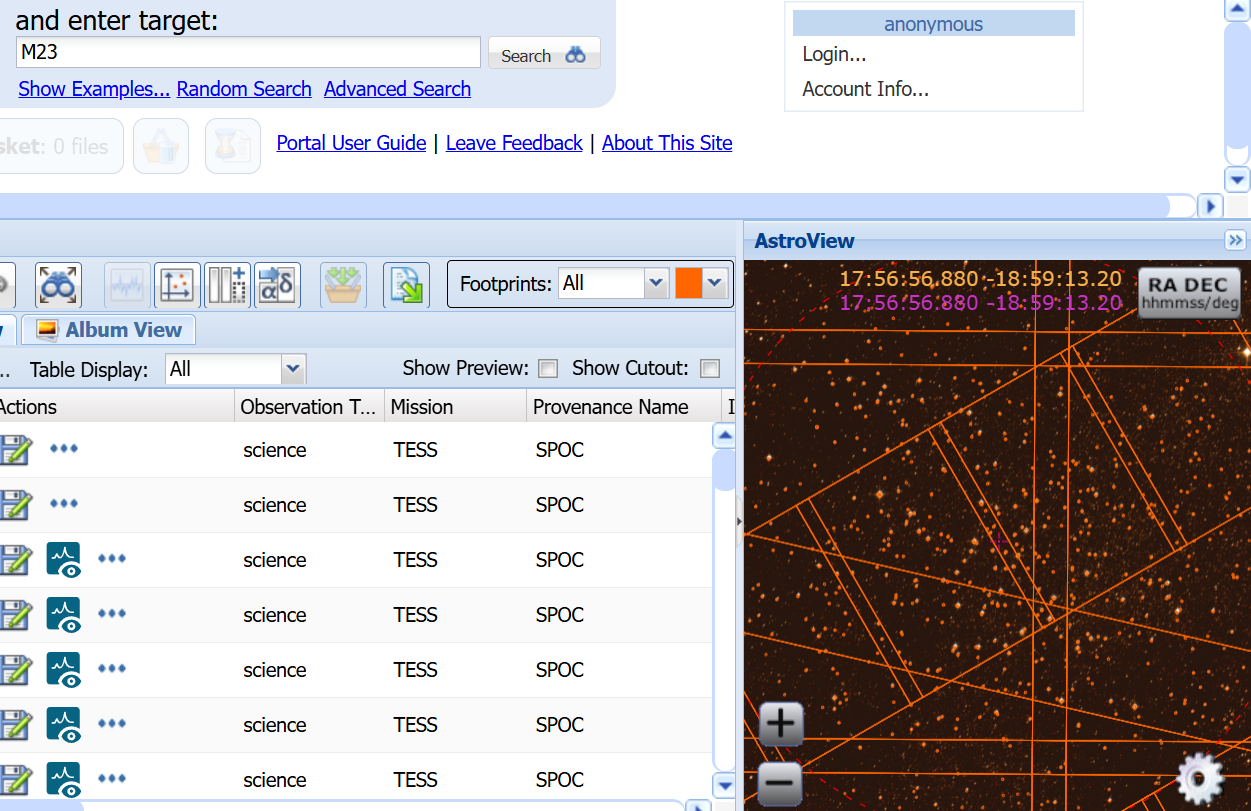
MAST: Mikulski Archive for Space Telescopes
Spectra, images, photometry. Through their extensive catalog, the Space Telescope Science Insitute allows simple querying of mass collections of astronomical data spanning missions such as JWST, Hubble, TESS, and more, including ground-based observations. Select a mission/enter the name of an astronomical target and begin querying.
Contributor: Grace Cassidy, Purdue University
Featured in Quantum Information 💻
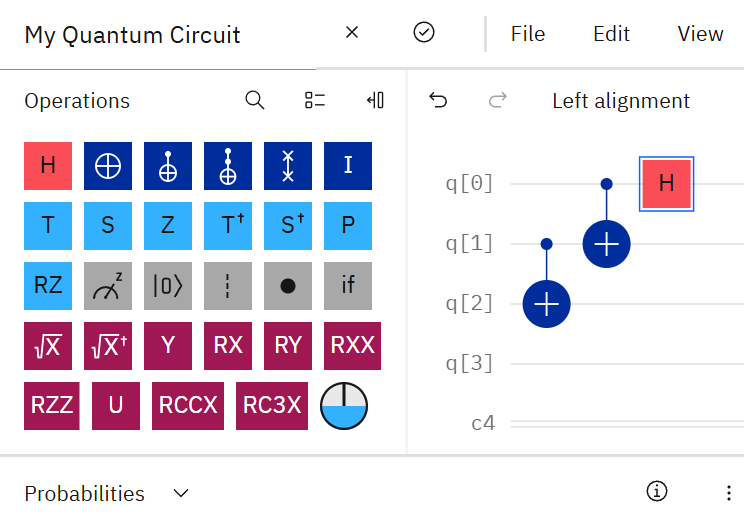
IBM Quantum Platform
The IBM Quantum Platform offers some of the best resources for beginner and more advanced quantum computing I've ever seen. Accessable upon creation of an IBMid, this web-based resource allows users to send quantum programs straight to IBM's quantum processors. They also offer a variety of learning resources, including the Quantum Composer, a beautiful, clean interactive where individuals can toy around with quantum circuitry and immediately generate the corresponding code in Qiskit or OpenQASM 2.0. The platform offers courses in the fundementals of quantum computing (IBM Quantum Learning). If you're an individual interested in experimenting with quantum computing/programming, the IBM Quantum Platform is a must-have. The only drawback is the user is only allotted 10 minutes of runtime on IBM's GPU's per month, which depending on the complexity of your quantum algorithums, may be a lot or too little.
Contributor: Amelia Binau, Indiana University - Bloomington
Featured in Condensed Matter and AMO Physics ⚛️
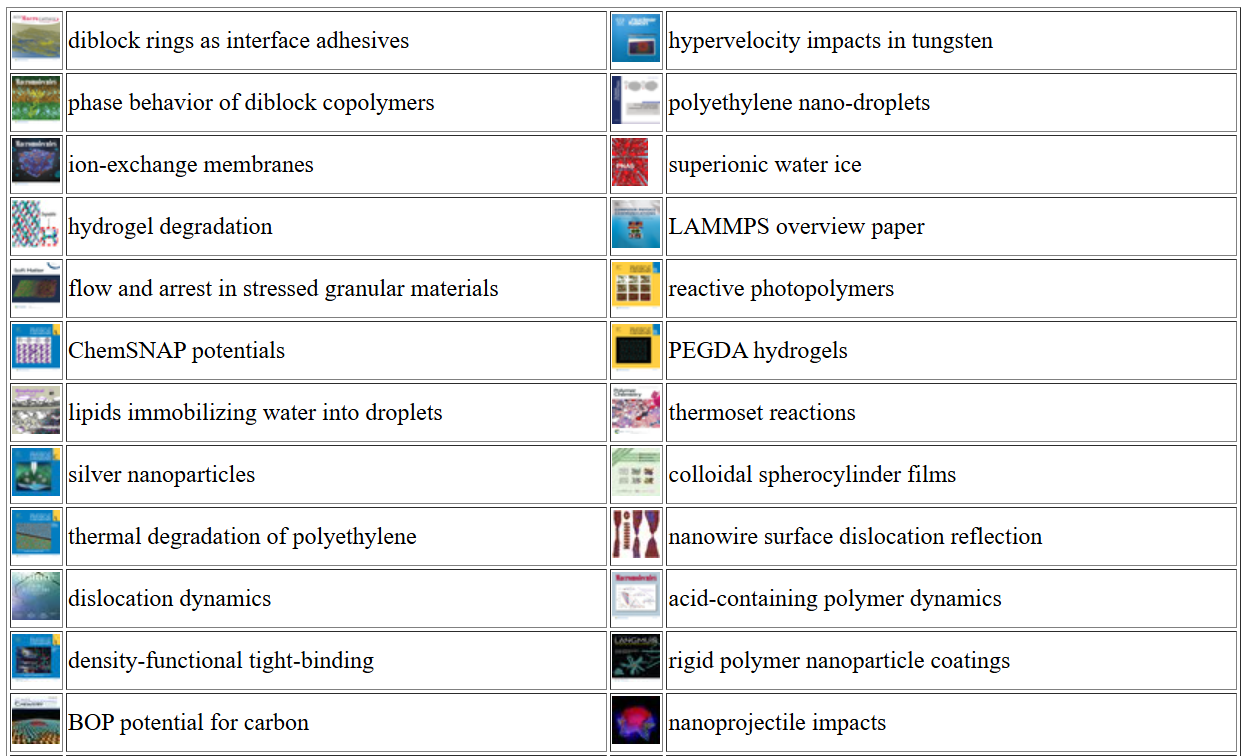
LAMMPS Molecular Dynamics Simulator
Large-scale Atomic/Molecular Massively Parallel Simulator. Developed by Sandia National Labortory, LAMMPS allows the user to simulate a wide variety of classical atomic and molecular phenomena in large ensembles. Written in C++; just about any material in any physical state can be simulated.
Contributor: Amelia Binau, Indiana University - Bloomington
Featured in Particle and Nuclear Physics 💥
Particle Physics Playground
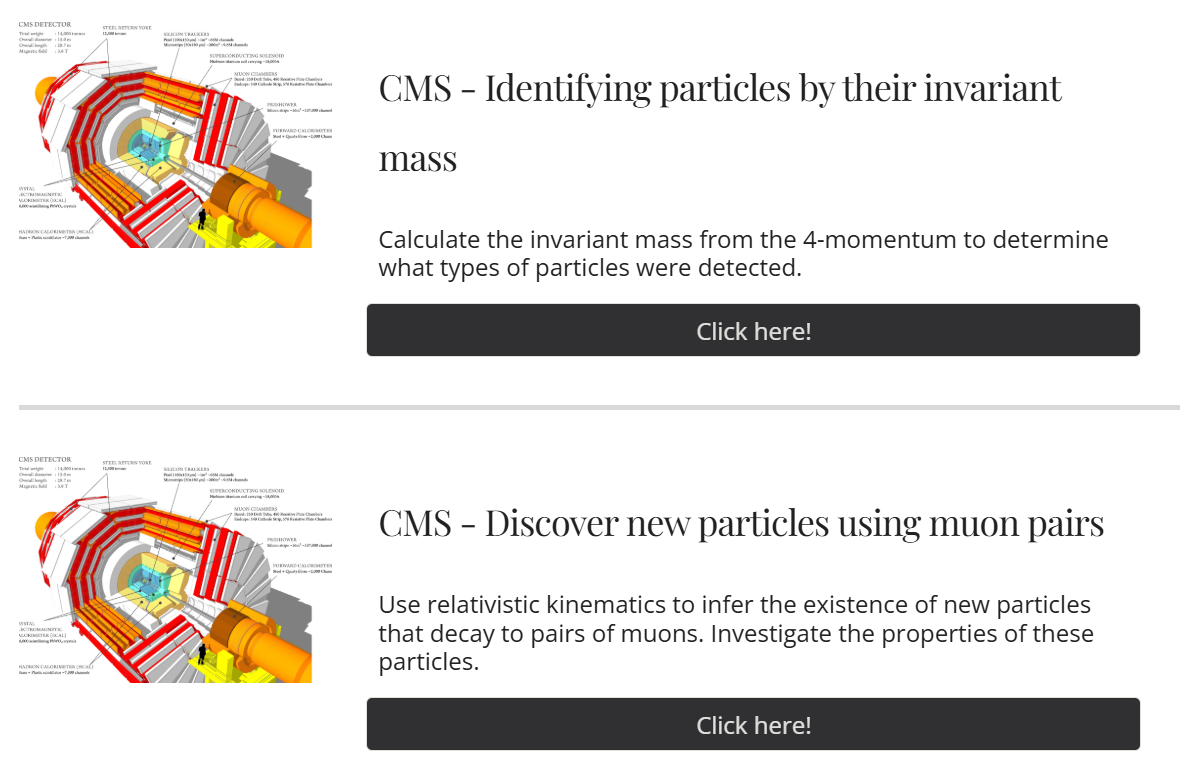
Particle Physics Playground is a collection of Jupyter notebooks that guide students through analyses of real particle physics data from the CMS, BaBar, CLEO, and IceCube experiments. The provided data is in a simplified format that makes it extremely easy to work with, especially when combined with the functions provided by the particle_physics_simplified and h5hep packages.
Contributor: Richard Dube, Indiana University - Bloomington
Featured in Biophysics and Geophysics 🧬
Sodankylä Geophysical Observatory
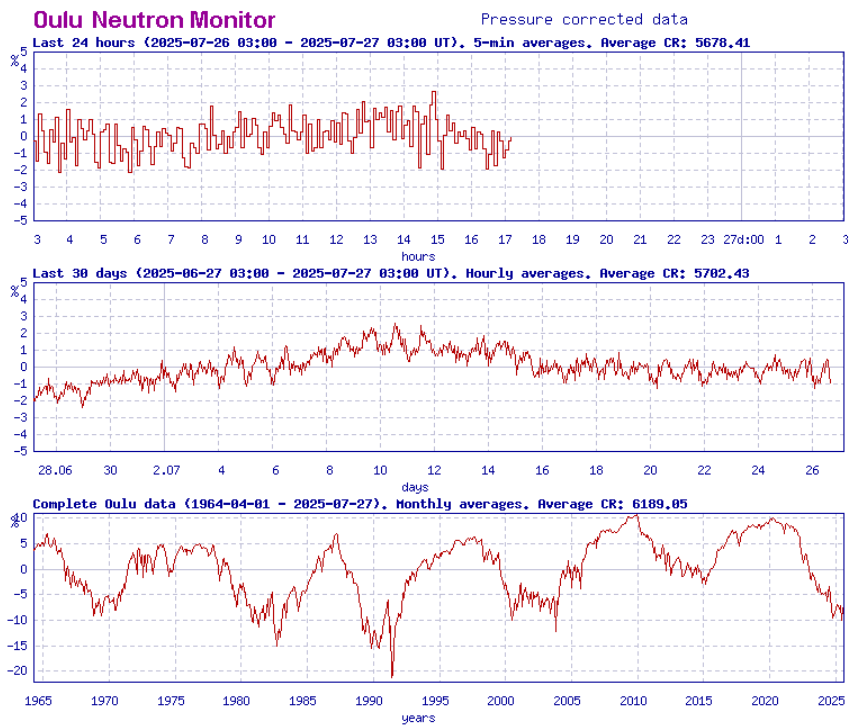
The University of Oulu hosts a repository of geophysical data and research powered since 1914 by the Sodankylä Geophysical Observatory. Query geomagentic, cosmic ray, seismic, low-frequency, and high-altitude atmospheric data through their data archive. The observatory's cosmic ray group also hosts a continuous cosmogenic neutron monitor.
Contributor: Amelia Binau, Indiana University - Bloomington
Featured in Experimental Techniques & Statistics 🔍
KiCad: PCB & Schematic Electronic Design
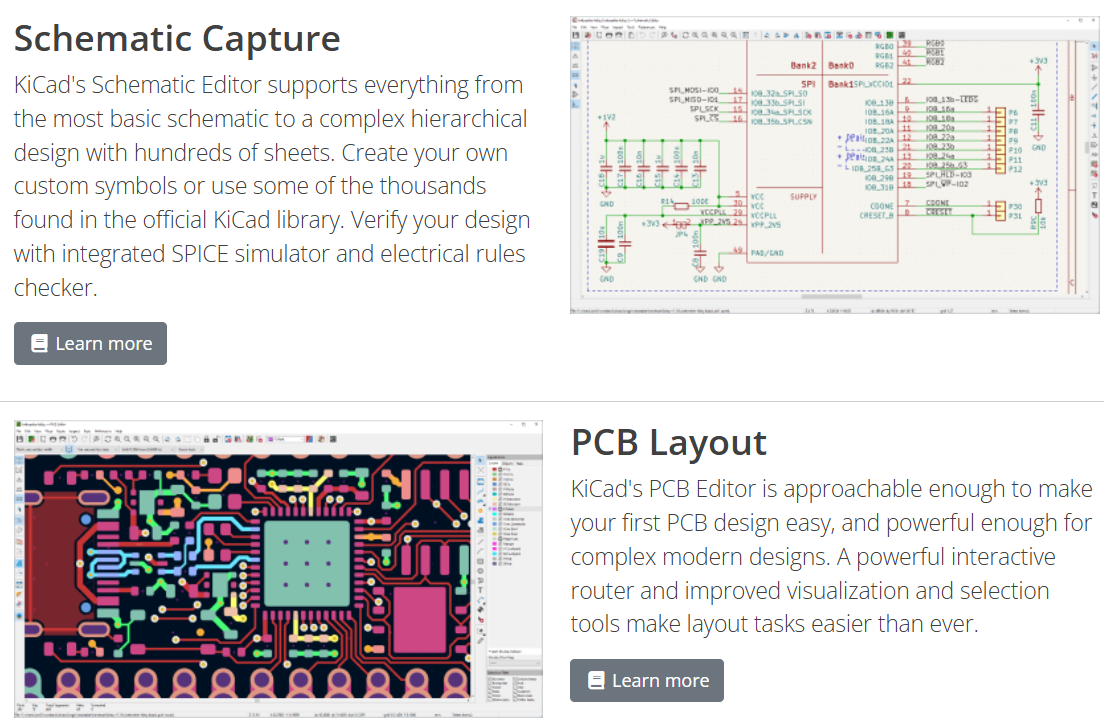
Possibly one of the most commonly used software for designing printed circuit boards (PCBs) for electronics. Design a PCB board as a .kicad_pcb file and an associated schematic (quite literally a circuit diagram) as a .kicad_sch file, export as a Gerber file, and have your circuit printed by a reliable company such asPCBWay. When laboratories need a circuit to accomplish a specific digital or mechanical task, it's common to have scientists design their own on software such as KiCad. A similar software produced by Autodesk is EAGLE.
Contributor: Amelia Binau, Indiana University - Bloomington
Contributors
We always welcome new collaborators! To join, email Amelia and Ricky. To suggest resources, fill out our form.
Institutions
Individuals
*PHYSDepot does not claim to be formally affiliated with, funded by, or represented by the depicted institutions. This banner is for illustrative purposes only; it represents institutions with which our contributors and project partners are affiliated and the breadth of our professional network.
